< World >
In recent years, the United States has witnessed a sharp escalation in efforts to restrict access to books — particularly those addressing LGBTQ identities, race, and gender — in school libraries and classrooms. According to PEN America, the 2024-2025 school year alone saw “6,870 instances of book bans affecting nearly 4,000 unique titles” (Ltolin, 2025). What may have once seemed isolated controversies have come to represent a broader cultural and political campaign that implicates freedom of expression, the right to education, and the role of schools in reflecting diverse identities.
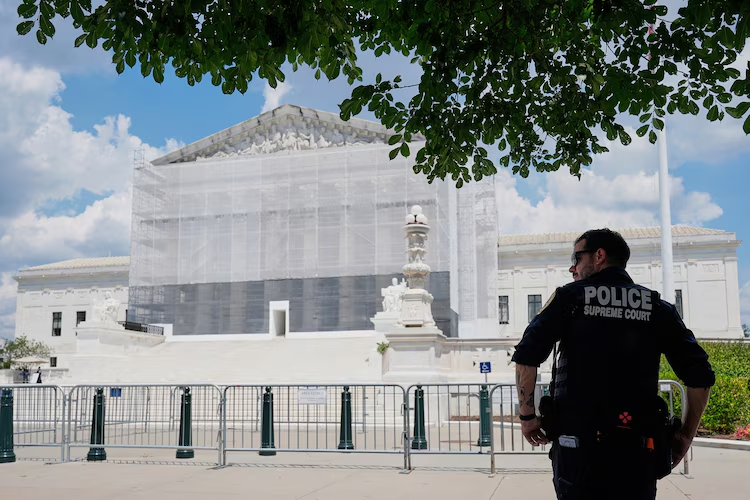
One particularly consequential ruling came when the Supreme Court of the United States, in the case of Mahmoud v. Taylor, held 6-3 that parents in Montgomery County, Maryland must be allowed to opt their children out of LGBTQ-inclusive elementary school lessons. The ruling impacted the local school district’s curriculum, which had incorporated titles such as Uncle Bobby’s Wedding and Born Ready (which tells the story of a transgender child). Although the decision technically applied only to Montgomery County, analysts warned that it “sets a precedent for similar lawsuits and policies nationwide” (Braun-Silva, 2025).
These developments generate a number of pressing concerns. First, the scope of books being challenged emphasizes a coordinated push: PEN America found that titles featuring LGBTQ people made up 25% of all banned works, and “transgender or genderqueer characters were specifically targeted in such book bans” (Oladipo, 2025). Second, when such rulings allow certain rights — in this case, enabling broader opt-out provisions — they risk undermining inclusive education and marginalising students whose identities are reflected in these texts. As one teacher in NYC put it, “It sends a message to LGBTQ students and families that their identities are controversial or unwelcome” (Braun-Silva, 2025b).
When Banning Distorts Literature’s Purpose
Book bans are not only about removing titles from shelves; they are about redefining what literature is allowed to do. When classic works that confront injustice, prejudice, or human suffering are censored, the educational and social role of literature itself is distorted. Two frequently challenged novels illustrate how such bans can deprive students of opportunities for moral and critical growth.
1) To Kill a Mockingbird by Harper Lee
Harper Lee’s masterpiece exposes the harsh racial discrimination of the American South and challenges readers to reflect on conscience, empathy, and justice. Yet, some school districts have banned the novel, citing offensive language and racially charged content. Such decisions overlook the book’s central purpose — to help young readers grapple with historical injustice and moral courage. Removing To Kill a Mockingbird from classrooms does not protect students; it deprives them of the chance to confront the realities of prejudice and to engage with history critically.
2) The Bluest Eye by Toni Morrison
Similarly, Toni Morrison’s The Bluest Eye has been challenged or banned for its explicit descriptions of violence and sexuality. But this interpretation misses the novel’s deeper aim: to reveal the internalized racism and structural violence that shape Black women’s experiences in American society. Banning the book silences Morrison’s effort to make readers face uncomfortable truths about inequality and identity. As educators and scholars have argued, shielding students from such literature undermines one of education’s core purposes — encouraging moral imagination and empathy through confronting complexity.
Ultimately, book banning erodes the very freedom that literature exists to exercise: the freedom to imagine, question, and understand. When schools remove these voices under the pretext of protection, they do not safeguard children — they narrow the lens through which a new generation learns to see the world.
Why this matters
Schools and libraries serve not only as educational institutions but also as places where young people are introduced to ideas beyond their experience. If books that include LGBTQ themes, racial justice, or gender diversity are removed or restricted, the range of voices and perspectives students encounter shrinks. The consequence is that whole communities may feel invisible, their stories deemed unacceptable. Meanwhile, the opt-out ruling reinforces that parents — rather than educators or districts alone — may set limits on access to such stories, thereby shifting the balance toward individual preference and away from shared exposure in the public sphere.
The tension: parental rights vs inclusive education
Proponents of book bans and opt-outs often frame their actions as parts of parental rights or protecting children from inappropriate content. A parental rights advocacy group hailed the Supreme Court’s decision as a historic victory for parental rights, with one board member saying: “The Supreme Court sent a powerful message today: parents do not take a back seat to anyone when it comes to raising their kids” (Braun-Silva, 2025c)
At the same time, critics warn that such decisions could undermine efforts to build more inclusive classrooms moving forward. The broader question becomes: what is the role of a public education system in exposing students to worldviews and identities beyond those of the family or community? When districts must allow opt-outs, and when books are banend, the curriculum becomes less about academic learning and more about selective exposure.
Looking ahead
The ruling in Mahmoud v. Taylor is likely only the beginning. As the ABC News report cautioned, “Although the LGBTQ book ruling currently applies only to Montgomery County, legal analysts say it could shape broader education policy and religious liberty claims across the country in the years to come” (Braun-Silva, 2025d). Furthermore, the data shows the reach of book bans expanding: PEN America’s index shows that the most affected states in 2024-25 were Florida, Texas and Tennessee (Ltolin, 2025b).
Educators, librarians and policy-makers will need to grapple with tough questions: Should curricula and libraries reflect the full diversity of society — including LGBTQ experience, racial history, gender identity — even if some parents object? Or does the right of a parent to shield a child from certain content override broader educational goals? The question is not merely academic: for many students whose identities are underrepresented, inclusive texts can provide validation, while their absence can reinforce alienation.
Conclusion
The surge in book bans in U.S. schools is more than a series of isolated incidents — it is a reflection of growing friction over what it means to educate young people in a diverse democracy. When books about race, gender and LGBTQ identities are removed or restricted, the ripple effects go beyond libraries: they effect identity and the kinds of citizens the community is trying to cultivate.
If the point of education is not only to teach reading and writing, but also to broaden perspectives and build empathy, then this moment demands reflection. As an opinion, the trend of banning books and expanding opt-out rights should worry anyone committed to open access to ideas and the discovery of identity. The question we face now is: will American schools go backwards and narrow the window of understanding — or broaden it to include all voices?
By Staff Reporter Sua Kim (2-8)
'Opinion' 카테고리의 다른 글
| How AI is Changing the Way We Learn Languages (0) | 2026.02.03 |
|---|---|
| Life Without Parole Should Be Implemented? (1) | 2026.02.03 |
| Why Hallyu is so popular in other countries (0) | 2026.02.03 |
| From Crowds to Culture: Rethinking Tourism in Spain (0) | 2026.02.03 |
| The Ukraine War and the Changing Role of Global Alliances (0) | 2026.02.03 |


